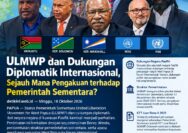


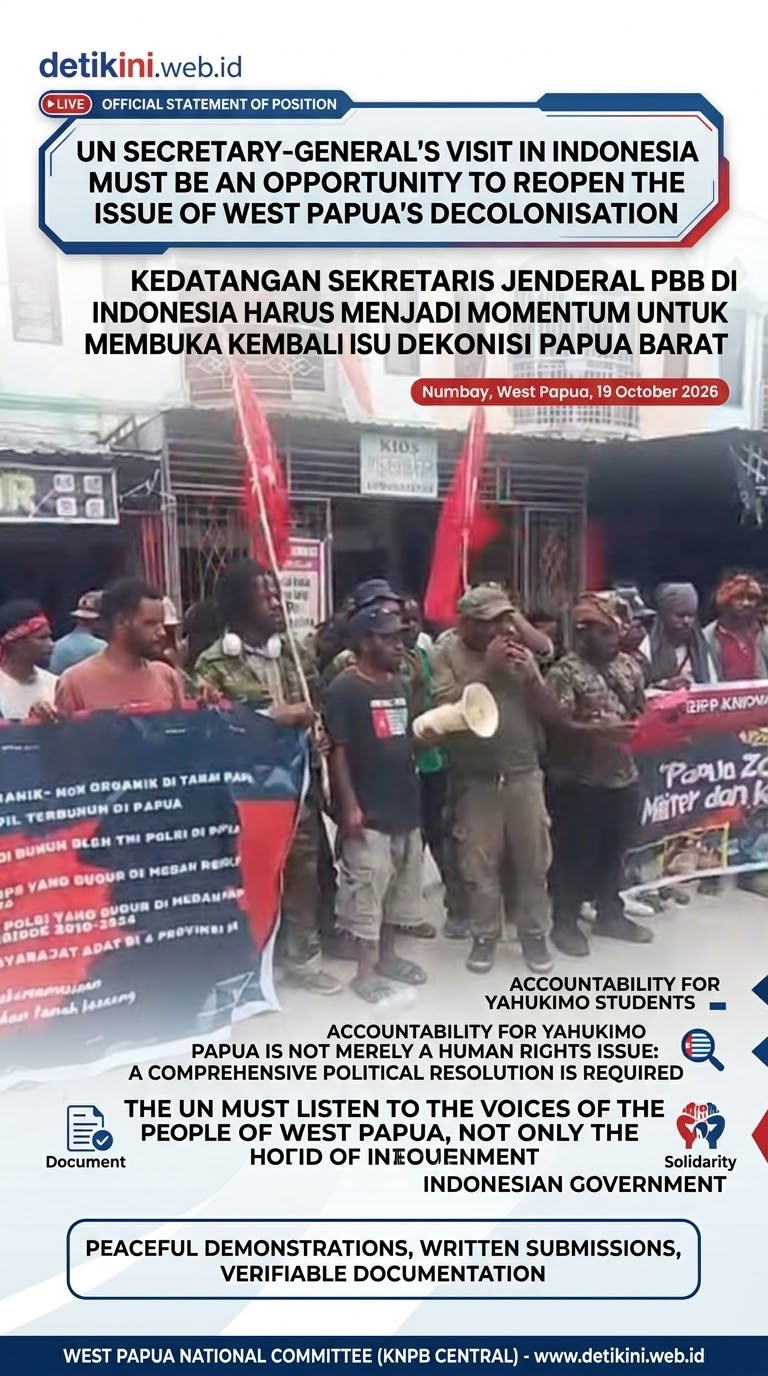

NUMBAY, DETIKINI.WEB.ID — The West Papua National Committee (KNPB) has called for the visit of United Nations (UN) Secretary-General António Guterres to Indonesia—taking place from October 17–19, 2026—to serve as a pivotal moment to reopen discussions regarding the political status and decolonization of West Papua. The KNPB asserts that the issue of West Papua should not be reduced merely to a matter of human rights; rather, it must be addressed through the lenses of history, politics, and the right to self-determination.
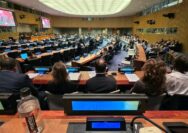
In an official statement issued in Numbay on October 19, 2026, the KNPB Central Executive Board (BPP) emphasized the need for both the people of West Papua and the international community to pay close attention to this visit. The KNPB argues that the UN Secretary-General’s agenda should extend beyond routine diplomacy between the UN and the Government of Indonesia by creating space to discuss the root causes of the West Papuan issue.
A Political Momentum to Address the Root Causes of the West Papua Issue
The KNPB highlights that, amidst the ongoing conflict, violence, and the displacement of civilians in West Papua, the UN Secretary-General’s visit should be utilized as an entry point to discuss fundamental political solutions.
“How can the right of the West Papuan people to determine their own political future be guaranteed through a process that is free, fair, and consistent with the principles of international law?” the KNPB asks in its statement.
The KNPB contends that an approach focused solely on development, security dialogues, and humanitarian aid—without addressing the underlying political root causes—risks failing to resolve the conflict in its entirety. Therefore, the KNPB urges that the issue of West Papua be addressed by taking into account the principles of decolonization, the right to self-determination, and the protection of indigenous peoples.
The Voices of the Papuan People Must Be Heard
A key point in the statement is the demand that the United Nations listen directly to the aspirations of the people of West Papua. The KNPB calls on the UN Secretary-General not to rely solely on the perspective of the Indonesian government, but to pay serious attention to the aspirations of indigenous communities, victims of violence, internally displaced persons, human rights defenders, church leaders, and civil society.
“The people of Papua are not merely objects of development or subjects to be discussed in diplomatic forums. They are a nation possessing dignity, rights, a history, an identity, and political aspirations that must be heard,” the KNPB asserted in its official statement.
The KNPB also urges the UN to establish credible and inclusive channels of communication with various segments of Papuan society, ensuring that their aspirations can be meaningfully considered in discussions regarding the future of West Papua.
Bringing the Issue of Decolonization Back to the International Agenda
The KNPB reminds us that the right to self-determination is a fundamental principle of international law, enshrined in the UN Charter and the International Covenant on Civil and Political Rights (ICCPR).
On this basis, the KNPB insists that the historical and political dimensions of West Papua be given space once again on the international agenda, rather than being addressed exclusively as a human rights issue.
“Development and the protection of human rights must not be used as a pretext to close off space for discussion regarding the political aspirations of the Papuan people,” the KNPB maintains.
Furthermore, the KNPB advocates for a transparent international review and dialogue, grounded in historical evidence and the principles of international law. Demanding Accountability for Alleged Enforced Disappearances in Yahukimo
In the same statement, the KNPB (West Papua National Committee) demands accountability regarding the alleged enforced disappearance of two school students in Yahukimo—a case that, according to reports cited in the statement, allegedly involves members of the Indonesian National Armed Forces (TNI) and the National Police (Polri).
The KNPB calls for an independent and transparent investigation and urges that the whereabouts of the two students be established immediately, without delay.
Calling for Peaceful Action and Strengthened Diplomacy
Concluding its statement, the KNPB invites the people of West Papua, civil society organizations, churches, students, and international solidarity networks to make constructive use of the UN Secretary-General’s visit.
The KNPB encourages the expression of aspirations through peaceful actions, the submission of written statements, and the systematic documentation of facts as part of diplomatic efforts.
“International attention toward West Papua must go beyond merely acknowledging that a problem exists. Such attention must pave the way for resolving the root causes of the conflict and ensuring respect for the rights of the Papuan people,” the KNPB asserted.(*)
detikini.web.id